— The Imperial Archive —
Patna
Where Empires Rose, Faded, and Wrote Themselves Into Stone
Best Time
October – March
Recommended Stay
1–2 nights
Nearest Airport
Patna (PAT), 5 km
Heritage Status
Multi-faith heritage capital
The Story
Twenty-Five Centuries on the Southern Bank
“When Megasthenes walked into this city in 302 BCE, he wrote home to Athens that he had seen the largest, most ordered metropolis in the known world. He called it Palibothra. We call it Patna. The Ganga has not stopped flowing past it since.”
Patna does not announce itself. There is no skyline of domes, no pristine UNESCO core, no cinematic gateway. The city does not perform for visitors. Instead, it asks the traveler to lean in — and rewards them, if they do, with one of the most extraordinary historical archives in Asia, hidden in plain sight.
The story begins in 490 BCE, when the Magadh king Ajatashatru — son of King Bimbisara, who had hosted the Buddha at Rajgir — built a small fort on the southern bank of the Ganga. It was strategically perfect: a sandbar at the confluence of three rivers, defensible, fertile, and astride every trade route running east-west through the Gangetic plain. Within two centuries, his fort had become Pataliputra, capital of the Mauryan Empire under Chandragupta and his grandson Ashoka — the largest empire India would ever know, stretching from Kandahar to the Bay of Bengal.
The Greek ambassador Megasthenes, dispatched by Seleucus I to Chandragupta's court around 302 BCE, recorded what he saw in his lost work Indika: a city eight miles long and one and a half miles wide, ringed by a wooden palisade with 64 gates and 570 watchtowers, surrounded by a moat 600 feet wide and 45 feet deep. It was, he wrote, larger than any city in the contemporary Western world — including Babylon, including Athens, including Alexandria.
Most of Pataliputra is gone. Successive floods, fires, and reconstructions buried the Mauryan city under twelve to fifteen metres of silt. But fragments remain — and they are spectacular. The Patna Museum holds the Didarganj Yakshi, a 2,300-year-old polished sandstone female figure considered one of the finest pieces of Mauryan sculpture ever recovered. The newer Bihar Museum presents the state's full chronology with international-grade curation — original Pala bronzes, Gupta terracottas, Buddhist manuscripts, the seal-presses of Nalanda.
In 1666, in a small house on the bank of the river, the tenth Sikh Guru, Gobind Singh, was born. That birthplace is today the Takht Sri Patna Sahib — one of the five highest seats of authority in Sikhism — drawing pilgrims from Punjab, the Sikh diaspora, and from across the world.
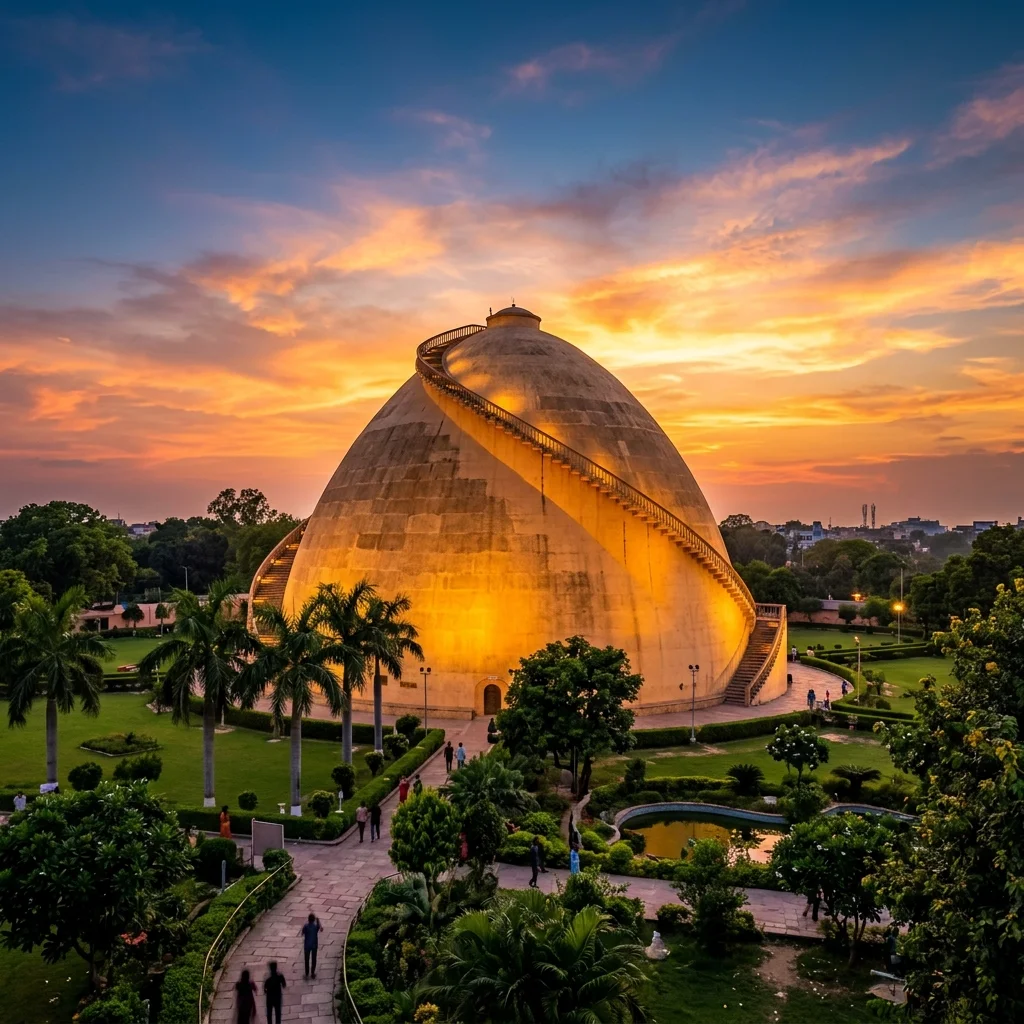
For Mughal and colonial heritage, Patna offers the Khuda Bakhsh Oriental Library — one of the great Arabic and Persian manuscript collections in the world; the Golghar, a colossal beehive-shaped granary built by the British in 1786; and the Patna Sahib railway station, where the freedom struggle staged some of its decisive moments.
Patna is not the postcard of Bihar. It is the archive. Visit it the way you would visit the British Library or the Smithsonian — with time, a great guide, and the willingness to let layers of history rearrange your sense of how India became India.
A Day in the Life
The Rhythm of Patna
Hotel pickup. Curator-led tour of Bihar Museum — Maki & Associates' architecture, Pala-era bronzes, Mauryan terracottas.
A transcendent encounter designed to unveil the layers of history and spiritual depth that define this sacred topography.
Cross to Patna Museum for a focused 90 minutes with the Didarganj Yakshi — your scholar-guide will walk you around the figure.
A transcendent encounter designed to unveil the layers of history and spiritual depth that define this sacred topography.
Drive to Takht Sri Patna Sahib. Participate in langar — the free community meal served continuously.
A transcendent encounter designed to unveil the layers of history and spiritual depth that define this sacred topography.
Visit the Khuda Bakhsh Oriental Library. Pre-arranged private viewing of selected manuscripts.
A transcendent encounter designed to unveil the layers of history and spiritual depth that define this sacred topography.
Brief stop at the Golghar. Optional climb of the 145 spiral steps for panoramic views of the Ganga.
A transcendent encounter designed to unveil the layers of history and spiritual depth that define this sacred topography.
Drive to Gandhi Ghat. Board your private boat for a sunset cruise on the Ganga.
A transcendent encounter designed to unveil the layers of history and spiritual depth that define this sacred topography.
Dinner at Hotel Maurya — traditional Bihari thali served on banana leaf, or Mughlai kebabs.
A transcendent encounter designed to unveil the layers of history and spiritual depth that define this sacred topography.
Return to your hotel. Optional: a brief stop at Gandhi Maidan.
A transcendent encounter designed to unveil the layers of history and spiritual depth that define this sacred topography.
Curated Experiences
What You'll Experience
Spiritual & Historical Walks
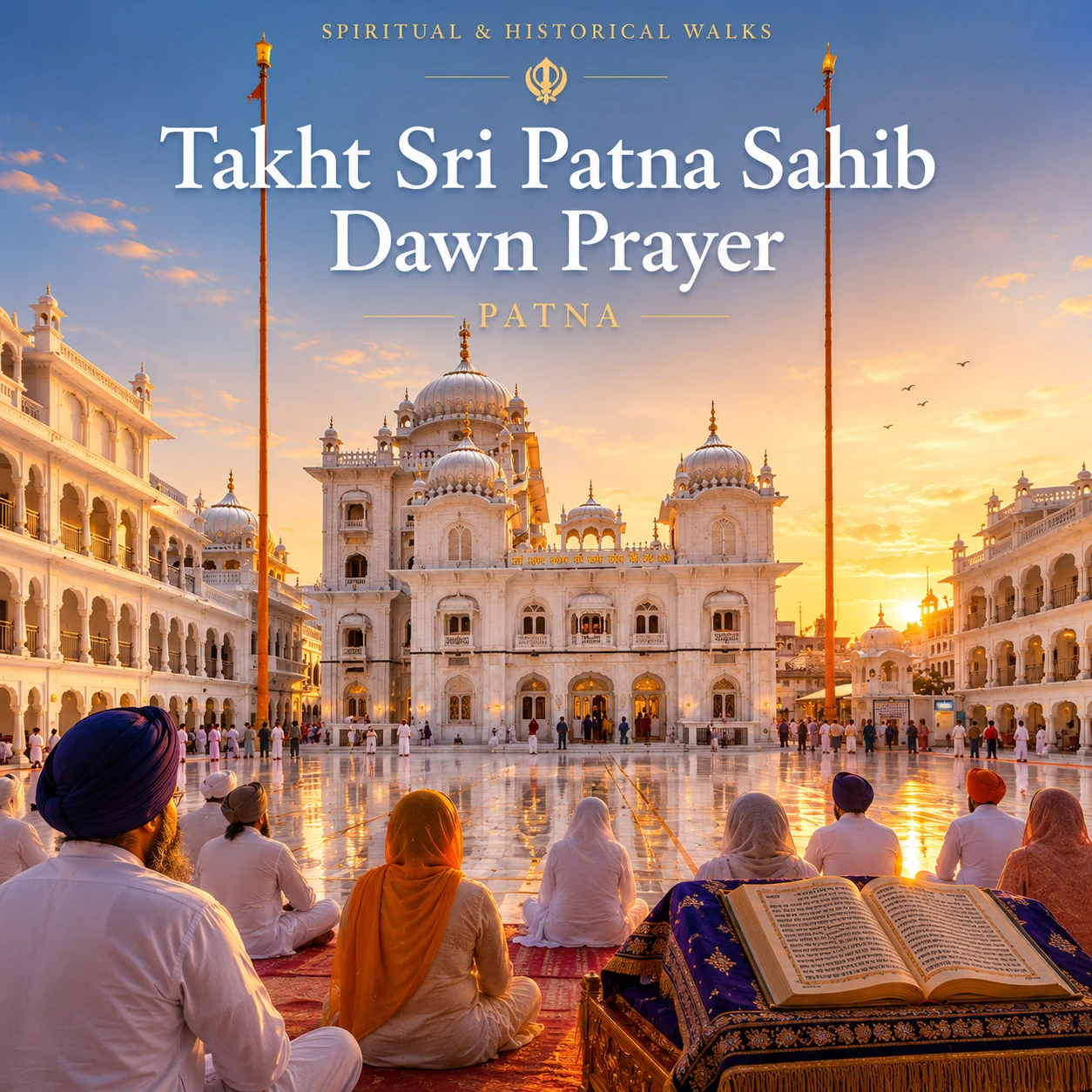
Takht Sri Patna Sahib Dawn Prayer
Private participation in dawn Hukamnama at the most sacred Sikh shrine in Bihar — birthplace of Guru Gobind Singh.
Spiritual & Historical Walks
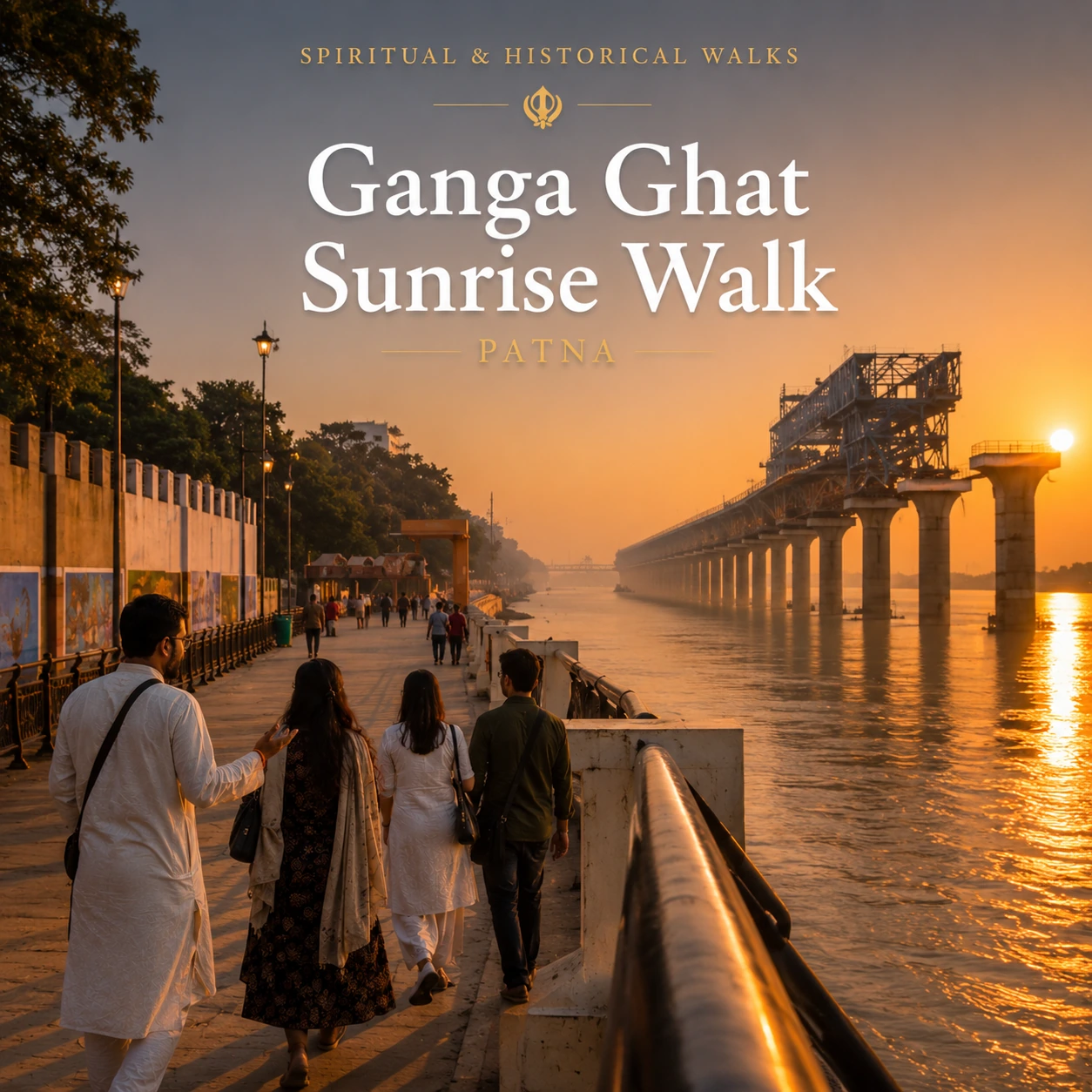
Ganga Ghat Sunrise Walk
Guided sunrise walk along Patna's historic ghats with commentary on Pataliputra — ancient Mauryan capital.
Spiritual & Historical Walks
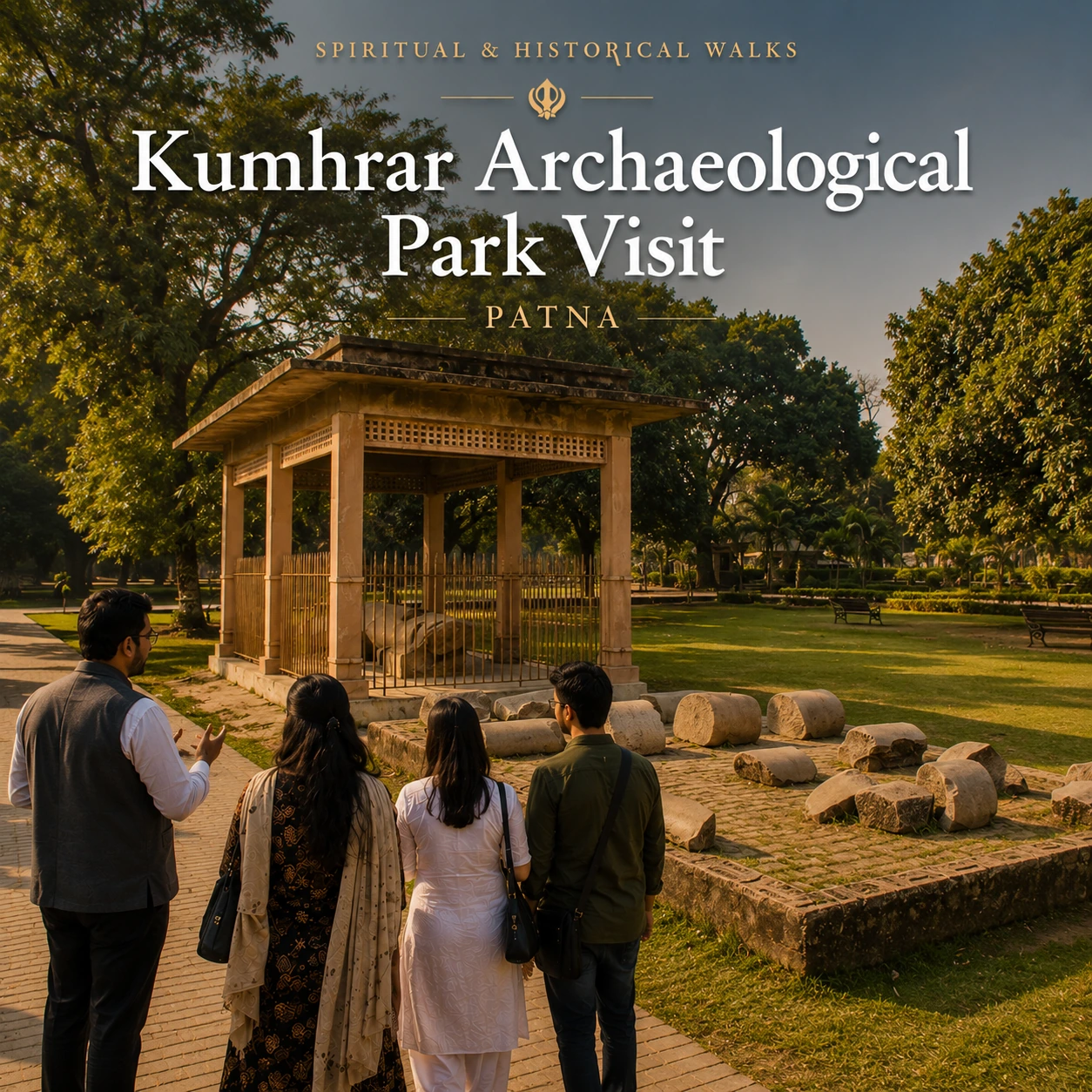
Kumhrar Archaeological Park Visit
Guided mindful walk through excavated pillared hall of Ashoka's palace at Kumhrar with historian-guide.

Scholarly Retreats
Patna Museum Private Curator Briefing
After-hours private tour with curator — focusing on Didarganj Yakshi, Mauryan polished stone artefacts.
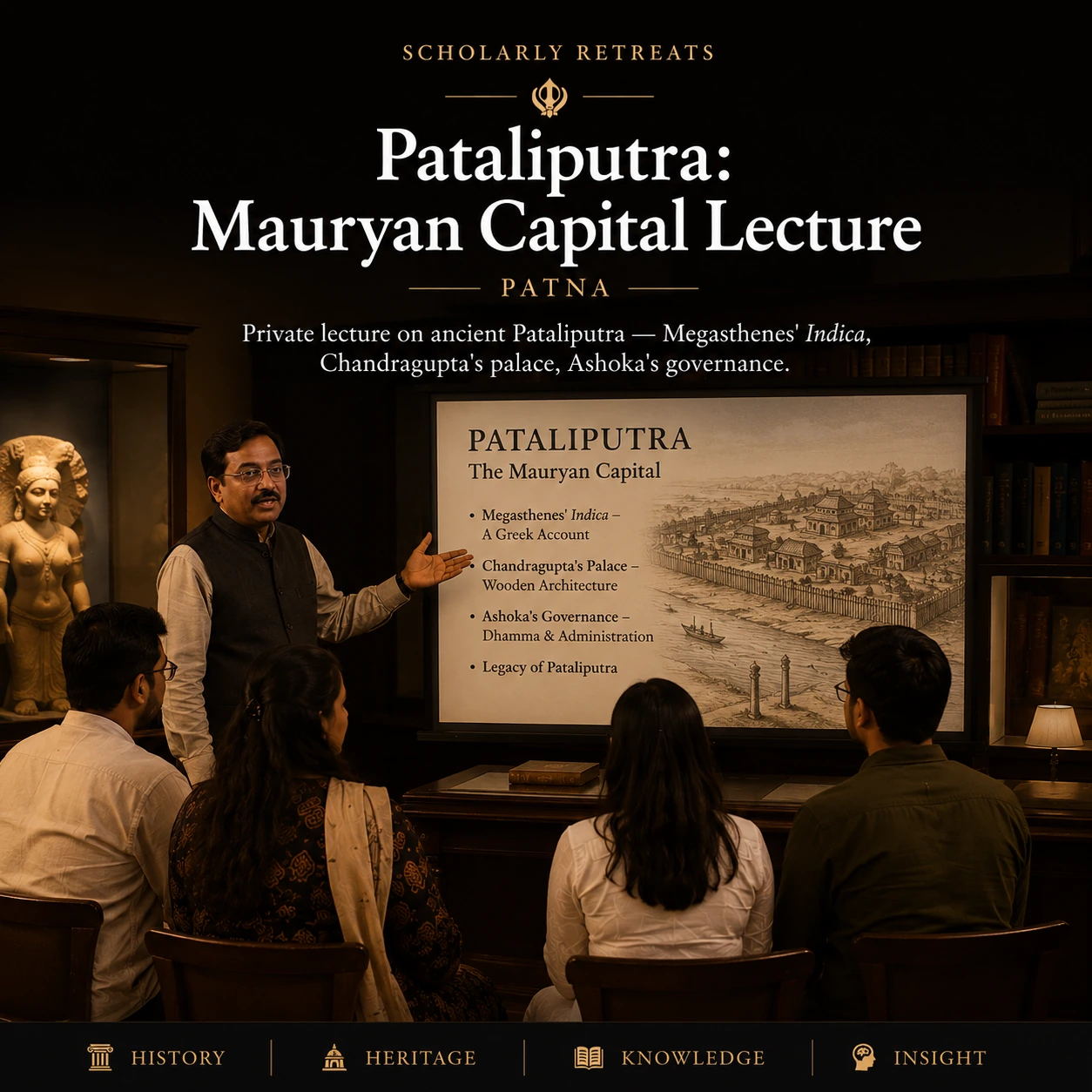
Scholarly Retreats
Pataliputra: Mauryan Capital Lecture
Private lecture on ancient Pataliputra — Megasthenes' Indica, Chandragupta's palace, Ashoka's governance.
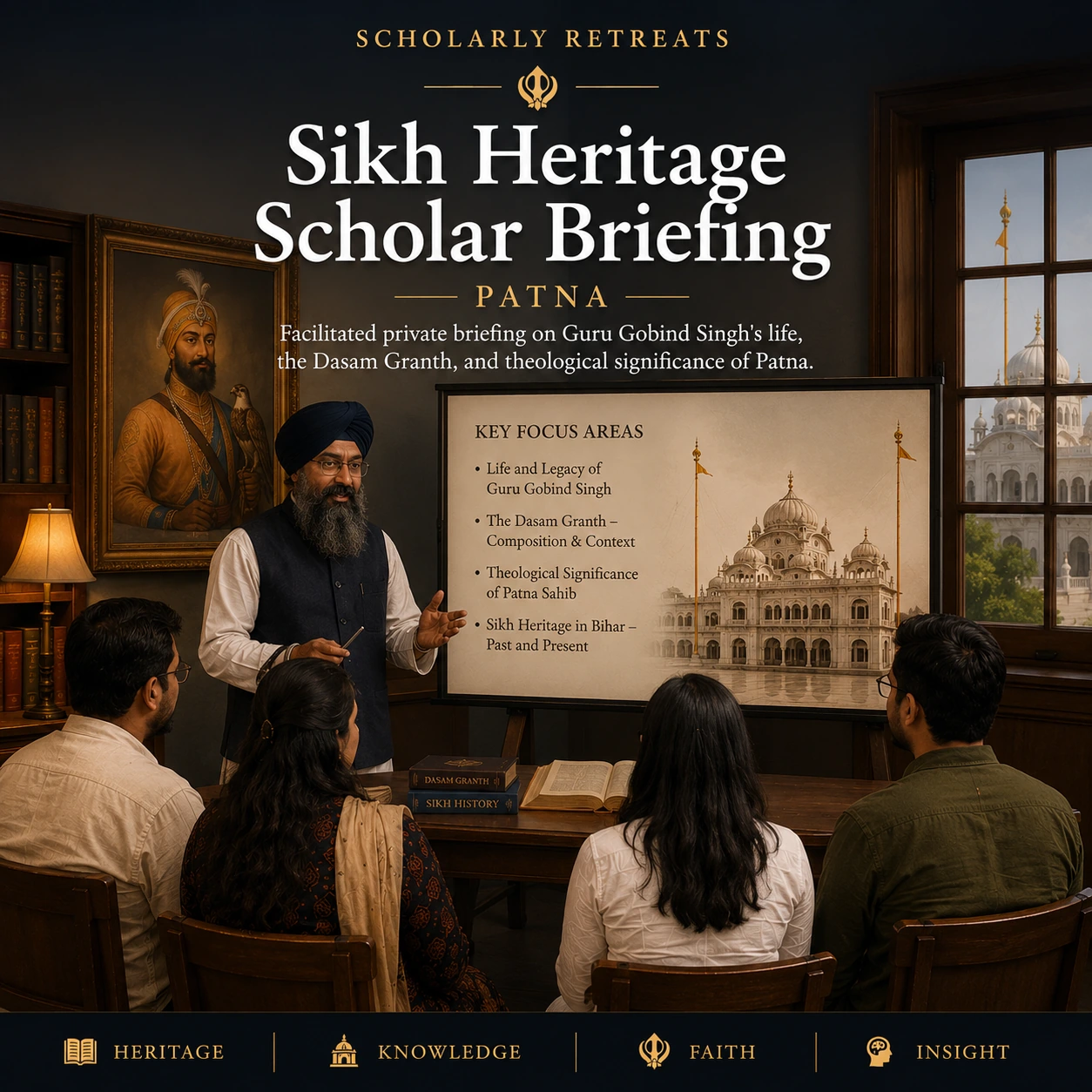
Scholarly Retreats
Sikh Heritage Scholar Briefing
Facilitated private briefing on Guru Gobind Singh's life, the Dasam Granth, and theological significance of Patna.
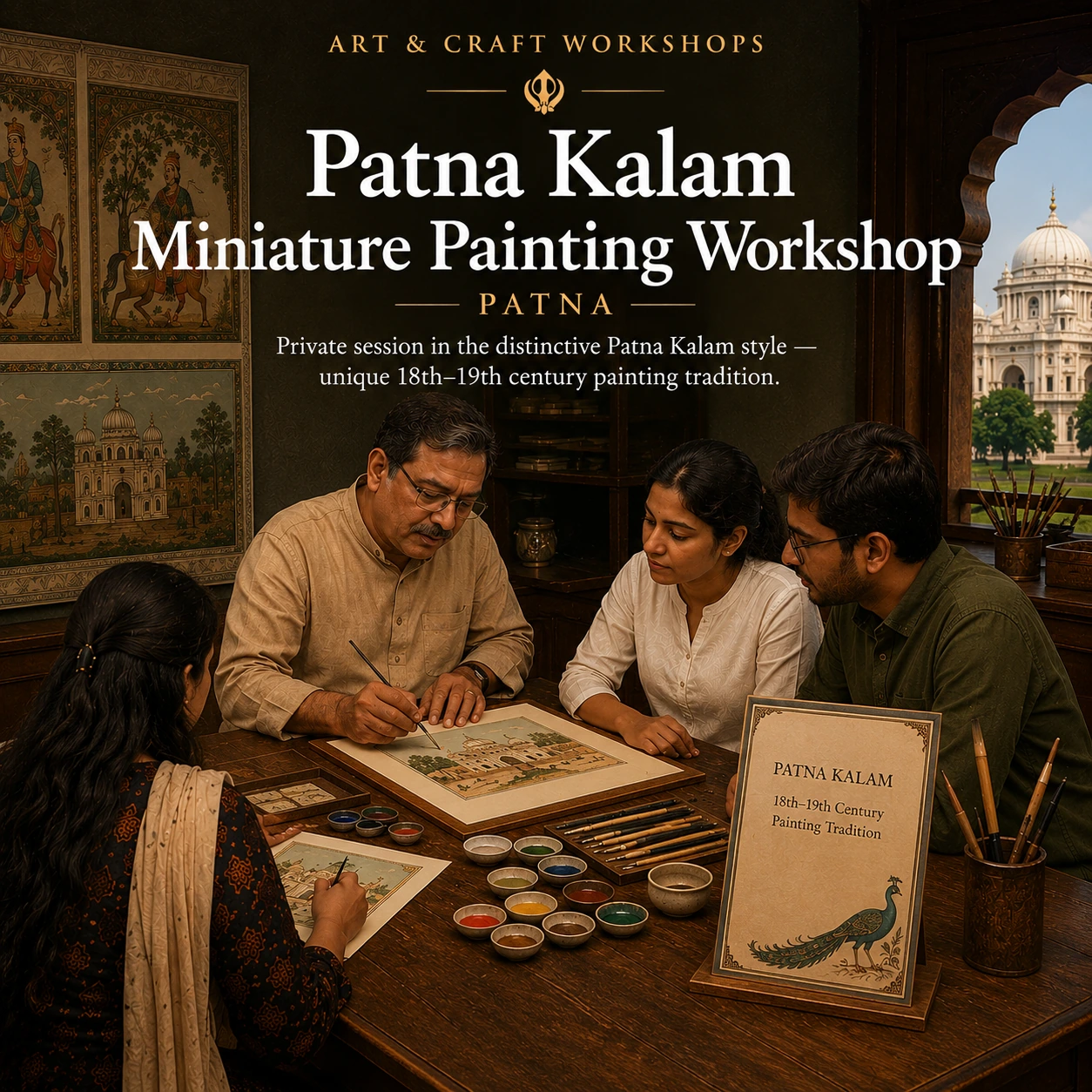
Art & Craft Workshops
Patna Kalam Miniature Painting Workshop
Private session in the distinctive Patna Kalam style — unique 18th-19th century painting tradition.
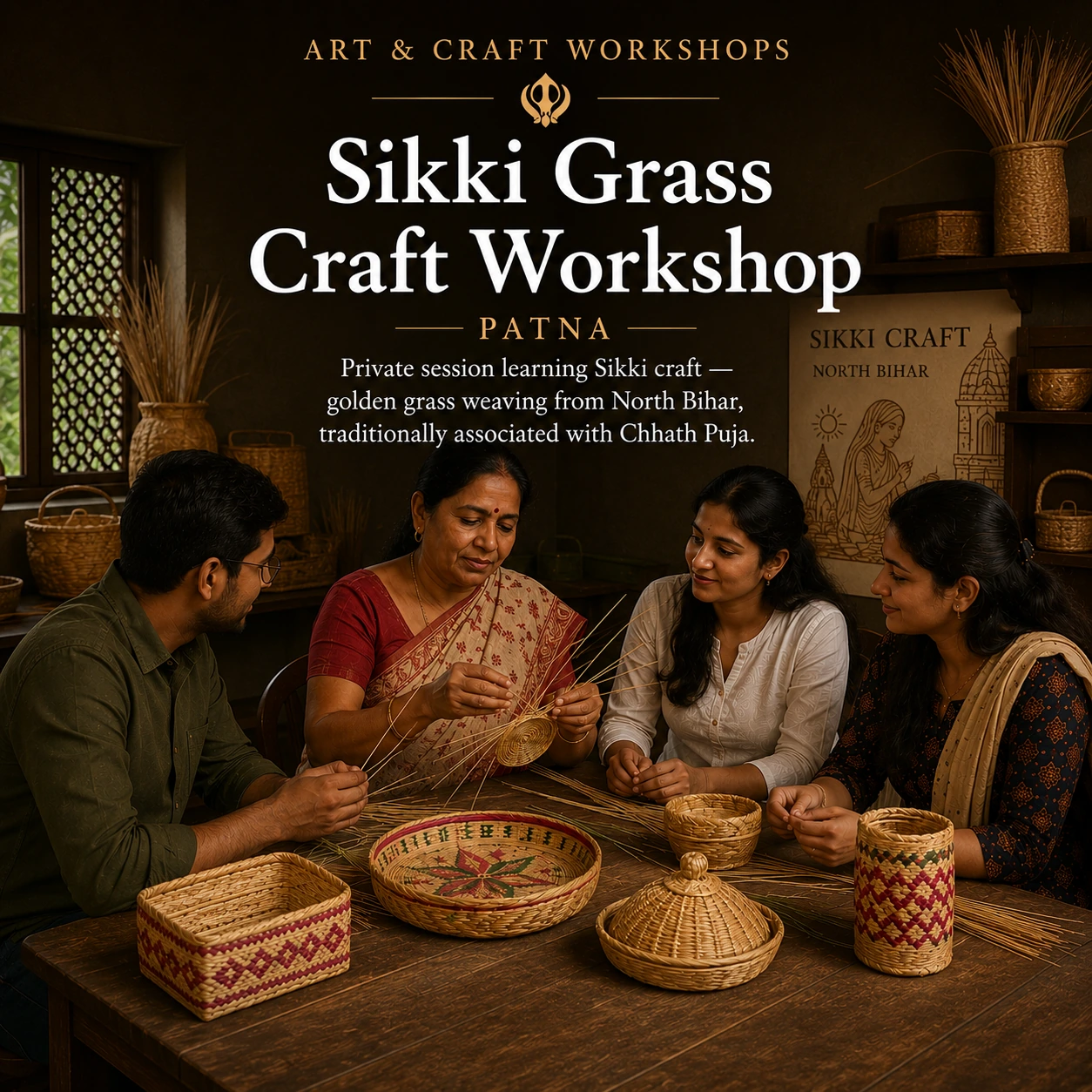
Art & Craft Workshops
Sikki Grass Craft Workshop
Private session learning Sikki craft — golden grass weaving from North Bihar, traditionally associated with Chhath Puja.
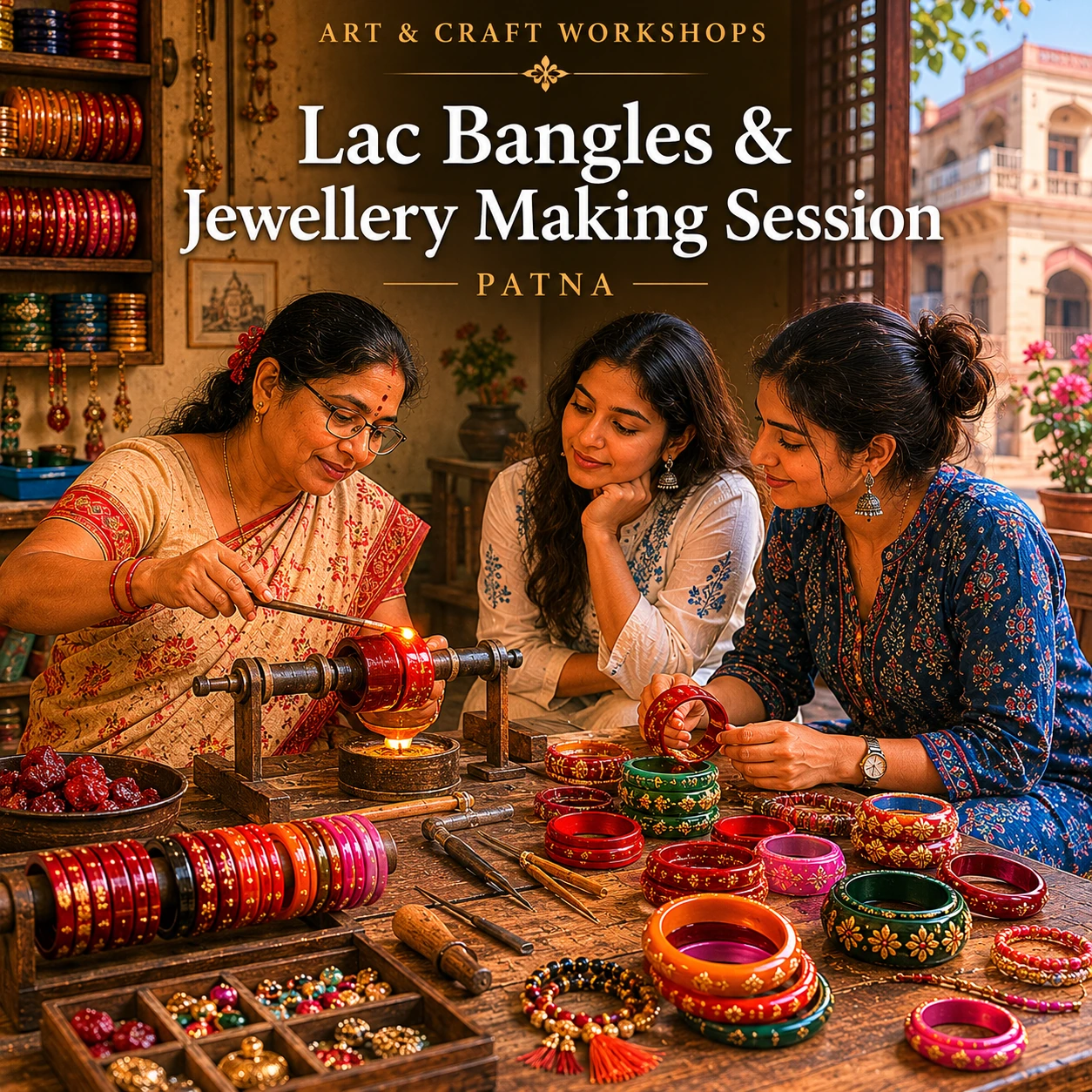
Art & Craft Workshops
Lac Bangles & Jewellery Making Session
Private workshop with traditional lac bangle artisan in Patna's heritage craft quarter.

Festival Immersions
Chhath Puja at Patna Ghat (VIP Private)
Private rooftop/elevated viewing, boat access, and cultural interpreter during Bihar's grandest Chhath.

Festival Immersions
Gurupurab Celebration at Takht Sri Patna Sahib
Private facilitated access to Guru Gobind Singh's birth anniversary at Patna Sahib with reserved kirtan seating.

Festival Immersions
Sama-Chakeva Folk Festival Immersion
Exclusive access to the Sama-Chakeva winter bird festival of Mithila culture — singing and clay figurine making.

Heritage Food Journeys
Litti Chokha Heritage Cooking Class
Private hands-on cooking class mastering litti chokha — Bihar's most iconic dish — with culinary historian.

Heritage Food Journeys
Patna Heritage Sweets Trail
Curated walking trail through Patna's oldest mithai shops — khaja workshops, tilkut artisans of Gaya.

Heritage Food Journeys
Heritage Home Dinner: Rajput Kitchen
Intimate dinner at a heritage haveli of a Patna Rajput family — ancestral recipes with classical thumri performance.

Heritage Food Journeys
Ganga Waterfront Dinner
Private curated dinner on heritage property's Ganga-facing terrace with seasonal Bihari tasting menu and wine service.
Before You Go
Practical Information
Best Time to Visit
October – March (cool, dry; Chhath Puja in Oct/Nov is unforgettable)
Avoid
April – June (45°C+ heat); July – September (monsoon flooding of low ghats)
Getting Here
Patna International Airport (PAT) — direct flights from Delhi, Mumbai, Kolkata, Bangalore, Bangkok, Dubai, Sharjah
Recommended Stay
1 night minimum on arrival or departure; 2 nights if pursuing the full museum + Sikh + library trail
Where to Stay
Lemon Tree Premier, The Panache, Hotel Maurya (legacy property), or our boutique colonial guesthouse on the river
Sacred Etiquette
Head covered at Takht Sri Patna Sahib (scarves provided at the entrance); shoulders & knees covered; remove shoes inside the sanctum
Photography
Permitted at exterior of most sites; prohibited in museum reserve collections, Khuda Bakhsh's rare-manuscript room
Mobility Notes
Patna and Bihar Museums are fully wheelchair-accessible; Takht Sri Patna Sahib has ramps and elevators
Cuisine
Litti-chokha (Bihar's iconic dish), sattu paratha, Khaja sweet pastry, Mughlai kebabs at colonial-era restaurants
Health & Safety
Bottled water only; Patna's traffic is dense — we use private vehicles with experienced drivers
Festivals to Catch
Chhath Puja (Oct/Nov) — Patna's most important festival; Patna Sahib Prakash Utsav (Dec/Jan)
Languages
Hindi, Magahi, Bhojpuri, Punjabi (at the Takht), Urdu (at the Khuda Bakhsh)
I'd been collecting South Asian art for thirty years and had never properly seen a Yakshi until that morning at Patna Museum. Our guide had spent two decades at the museum. He didn't just show us the piece — he showed us how to look at it. By the time we left, the Mauryans were no longer a chapter heading. They were people who had hands and stood near rivers.
— Charles Pemberton, Mayfair, London · Cultural Immersion, February 2025
Begin Your Exploration
Ready to walk through twenty-five centuries?
Curator-led mornings, Sikh hospitality at midday, and the Ganga at sunset — let us show you the imperial city most travelers fly past.